Product Description
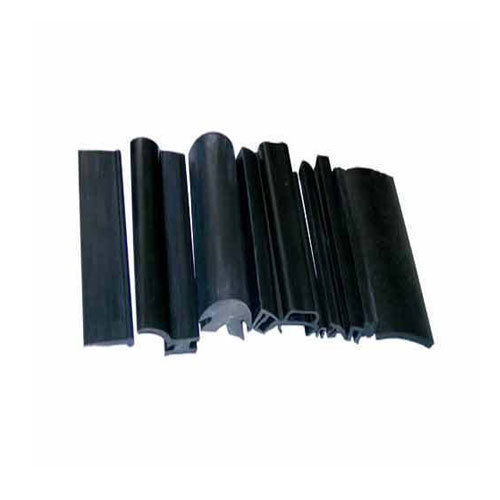
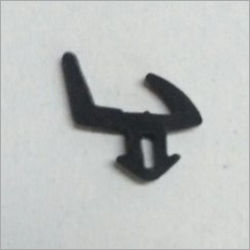
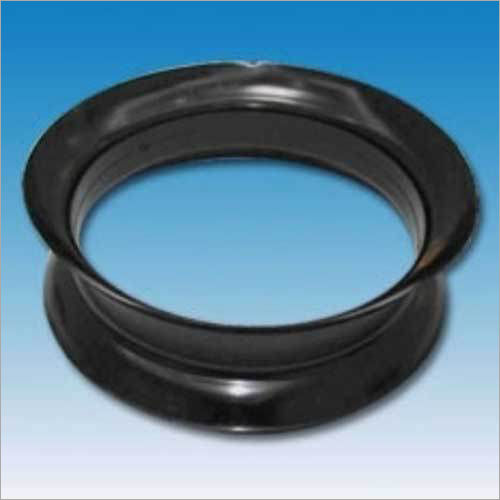
EPDM Extruded Profiles are unmatched in terms of design and quality. These profiles are made out of first-rate synthetic rubber, which is resilient and durable. Therefore, the offered profiles do not degrade in quality or become inferior in the long run. These are easy to apply and maintain. The extruded profiles are typically used for sealing between the glass and aluminum sections. EPDM Extruded Profiles are available in varied types and designs as per our client's requirements. These can be purchased from us at a reasonable price.
Technical Specifications:
|
Material
|
EPDM
|
|
Hardness
|
65+/-5 Shore A
|
|
Tensile Strength
|
10 N/mm2
|
|
Resistance to Heat
|
100+/-2 Degree C, 70 Hrs
|
|
Thickness
|
3 mm
|
|
Density
|
0.63g/cm3
|
Superior Quality and PerformanceThese Car EPDM Profiles are manufactured with precision, ensuring a consistent thickness and optimal hardness. The impressive tensile strength makes them resistant to deformation and wear, providing effective sealing and cushioning for vehicle doors, windows, and trunks. Their resistance to weathering ensures they maintain performance in diverse climates.
Versatile Applications in the Automotive SectorOur EPDM profiles are widely used across automotive assembly lines, workshops, and vehicle maintenance services. Their flexibility allows architects and engineers to design intricate sealing systems, improving insulation and soundproofing within cars. Easy to install, they contribute to enhanced comfort and protection for vehicle interiors.
FAQ's of Car EPDM Profiles:
Q: How are Car EPDM Profiles typically used in vehicles?
A: Car EPDM Profiles serve as sealing strips around vehicle doors, windows, and trunks. They provide essential protection against dust, water, and noise, ensuring a comfortable and secure environment within the vehicle.
Q: What are the main benefits of using EPDM rubber profiles in automotive applications?
A: EPDM rubber is known for its durability, flexibility, and resistance to extreme temperatures, UV rays, and weathering. This ensures long-term performance and protection for car interiors, improving both comfort and longevity.
Q: When should EPDM profiles be replaced on a vehicle?
A: It is advisable to replace EPDM profiles when you notice signs of deterioration, such as cracks, hardened surfaces, or loss of elasticity. Routine inspections during vehicle maintenance can help identify when replacements are necessary.
Q: Where are these Car EPDM Profiles manufactured and supplied from?
A: We manufacture, supply, and export these profiles from India, serving clients both domestically and globally through our network as an exporter, manufacturer, supplier, trader, and wholesaler.
Q: What is the manufacturing process for EPDM profiles?
A: The profiles are made by extruding EPDM rubber, which is then vulcanized to achieve the desired hardness, thickness, and tensile strength. Quality control measures are implemented at every stage to ensure product consistency.
Q: How does the color and thickness of the EPDM profile affect its performance?
A: The 3 mm thickness offers a balanced combination of flexibility and robustness, making it suitable for sealing applications. The black color is preferred in automotive contexts for its ability to blend seamlessly with vehicle exteriors and interiors.
 08045812008
 English
 Spanish
 French
 German
 Italian
 Chinese (Simplified)
 Japanese
 Korean
 Arabic
 Portuguese









 Send Inquiry
 Send Inquiry
 Send SMS
 Call Me Free