Product Description
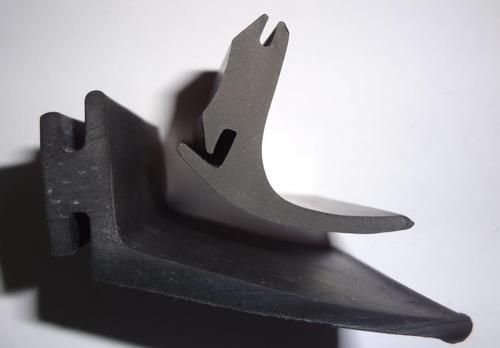
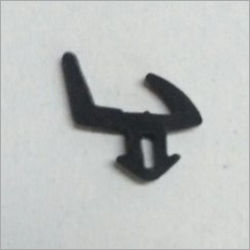
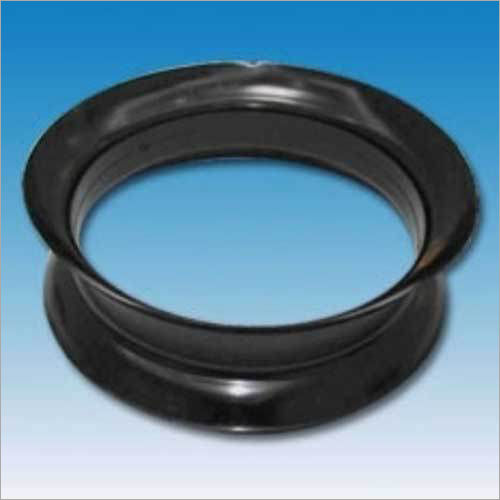
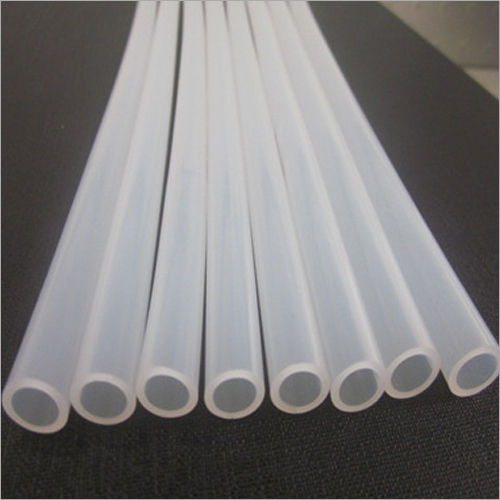
Automotive Glazing EPDM Profiles are manufactured in our state-of-the-art production site with the help of pioneering in-house tools and techniques. These profiles are durable and resilient. Having made up of first-rate synthetic rubber, these are capable of enduring heat, impacts, heavy loads, and tough conditions. Automotive Glazing EPDM Profiles are extensively used in the automobile industry. These are typically used for sealing between metal and glass. Our customers can get these top-notch extruded profiles at a reasonable price.
Technical Specifications:
|
Material
|
EPDM
|
|
Tensile Strength
|
10 N/mm2
|
|
Hardness
|
65+/-5 Shore A
|
|
Rubber Content
|
25 % minimum
|
|
Resistance to Heat
|
100+/-2 Degree C, 70 Hrs
|
|
Compression Set
|
40 % Max
|
Exceptional Durability for Automotive GlazingThese EPDM profiles are specifically designed to endure harsh automotive conditions. Their superior resistance to UV rays, ozone, and fluctuating weather ensures longevity and consistent performance. The smooth finish and custom shapes accommodate diverse glazing needs in commercial and passenger vehicles.
Precision Extrusion and CustomizationManufactured using advanced extrusion techniques, each profile ensures a perfect fit and finish. Offered in various thicknesses (2-10 mm) and customizable profiles, they provide flexibility for different automotive applications. Rolls and carton packaging allow for easy handling and transportation.
FAQ's of Automotive Glazing EPDM Profiles:
Q: How are Automotive Glazing EPDM Profiles applied in vehicles?
A: These EPDM profiles are primarily used for sealing and insulating windows and glazing in automobiles. Their flexibility and durability make them ideal for creating tight seals that prevent water, dust, and air infiltration.
Q: What are the main benefits of choosing EPDM rubber for automotive glazing?
A: EPDM rubber is favored due to its excellent resistance to UV radiation, ozone, and harsh weather. It maintains elasticity and sealing performance over a wide temperature range, which is crucial for automotive applications.
Q: When should flame retardant EPDM profiles be used?
A: Flame retardant profiles are recommended when additional fire safety standards must be met, often as specified by vehicle manufacturers or regulations. The flame-retardant feature is optional and can be incorporated upon request.
Q: Where are these profiles commonly utilized within automotive assemblies?
A: They are commonly installed around door frames, windshields, windows, and other glazing areas to provide weatherproofing, insulation, and protection from external elements.
Q: What is the extrusion process used in manufacturing these profiles?
A: Extrusion involves forcing EPDM rubber through a custom die to form continuous profiles with the required shape and cross-sectional dimensions. This process ensures consistency, precise shapes, and smooth finishes.
Q: How does the operating temperature range benefit end users?
A: The wide operating range of -40C to +120C means these profiles remain reliable and flexible in both extremely cold and hot environments, making them suitable for diverse geographical locations.
Q: What packaging options are available for these profiles?
A: Profiles are typically supplied in rolls or carton packs, facilitating easy storage, handling, and distribution for manufacturers, suppliers, and traders worldwide.
 08045812008
 English
 Spanish
 French
 German
 Italian
 Chinese (Simplified)
 Japanese
 Korean
 Arabic
 Portuguese









 Send Inquiry
 Send Inquiry
 Send SMS
 Call Me Free