Product Description
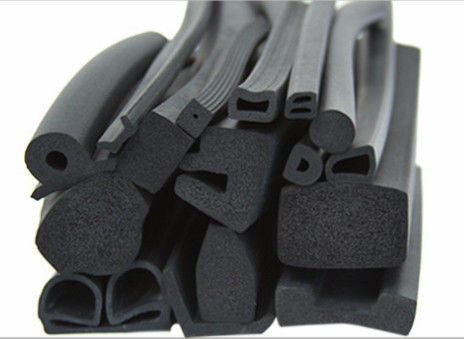
Auto EPDM (Ethylene Propylene Diene Monomer) profiles are rubber components used in the automotive industry for sealing and protecting various parts of a vehicle. EPDM is a synthetic rubber known for its excellent resistance to weathering, aging, and chemicals, making it a reliable and long-lasting material for automotive applications.Auto EPDM profiles come in different shapes and sizes, including gaskets, seals, hoses, and other types of rubber components. These profiles are used in various parts of the car, such as doors, windows, hoods, trunks, and engine compartments, to provide a tight seal and protect against water, dust, and other contaminants.
Superior Material QualityOur automotive EPDM profiles are crafted from premium EPDM rubber, known for its outstanding durability and resistance to extreme conditions. With an elongation at break of at least 250% and a high tensile strength, they maintain their integrity even under severe stress. The density and hardness ensure optimal sealing and insulation, making them a reliable choice for multiple automotive uses.
Versatile ApplicationsThese EPDM profiles are designed for extensive use across vehicle doors, windows, boots, and engine compartments. Their excellent weather and ozone resistance, combined with a wide temperature tolerance, make them suitable for both exterior and interior automotive sealing needs. The profiles can be customized in various shapes and sizes to meet unique industry requirements.
Custom Manufacturing and ExportManufactured with advanced extrusion technology, our profiles offer a consistently smooth surface and precise dimensions. We cater to custom orders, enabling clients to choose profiles that fit their specific projects. As a leading exporter and supplier from India, we ensure strict quality standards and efficient delivery for bulk and wholesale requests.
FAQ's of Auto EPDM Profiles:
Q: How are Auto EPDM profiles installed in vehicles?
A: Auto EPDM profiles are typically installed into designated channels or grooves around doors, windows, boots, and engine compartments. The flexible yet durable material allows for a snug fit, creating a reliable seal to prevent dust, noise, water, and air ingress.
Q: What benefits do these EPDM profiles provide for automotive applications?
A: These profiles offer excellent sealing and insulation, resisting extreme weather, ozone, and temperature fluctuations from -40C to +120C. Their robust construction minimizes wear and ensures long-term performance, positively impacting vehicle efficiency and interior comfort.
Q: When should EPDM profiles be replaced on vehicles?
A: It is recommended to inspect EPDM profiles whenever regular vehicle maintenance is performed. If you observe cracking, loss of flexibility, or reduced sealing efficiency, replacing the profiles will maintain optimal performance and protection.
Q: Where can these EPDM profiles be used besides automotive doors and windows?
A: In addition to doors and windows, these profiles are ideal for sealing and insulating boots, engine compartments, and other automotive areas where environmental protection and noise reduction are essential.
Q: What customization options are available for these profiles?
A: Profiles can be customized by thickness (ranging from 2 mm to 10 mm), width, length, shape, and hardness (60-75 Shore A), according to customer specifications or application requirements. Custom shapes and finishes ensure compatibility with diverse vehicle designs.
Q: How are your EPDM profiles manufactured?
A: We use an advanced extrusion process to produce automotive-grade EPDM profiles. This process guarantees consistent quality, accurate dimensions, and a smooth surface finish tailored to automotive industry standards.
Q: What makes your EPDM profiles suitable for harsh weather conditions?
A: The EPDM rubber used provides excellent resistance against ozone, UV rays, and extreme temperatures. Its low compression set and strong physical properties help maintain sealing effectiveness and durability even during prolonged exposure to challenging environments.
 08045812008
 English
 Spanish
 French
 German
 Italian
 Chinese (Simplified)
 Japanese
 Korean
 Arabic
 Portuguese










 Send Inquiry
 Send Inquiry
 Send SMS
 Call Me Free